Noreen Farrell: The Quiet Repeal of Women’s Workplace Rights
By Noreen Farrell
If the Trump administration announced it was gutting the workplace protections of the Civil Rights Act, there would be outrage. And yet that’s exactly what’s been happening, but quietly, piece by piece, buried in executive orders and agency memos. Nothing flashy. Nothing that dominates the news cycles. Just complicated bureaucratic moves that most people won’t notice until something happens at work and they discover there’s no one left to call.
Title VII of the Civil Rights Act of 1964 is the bedrock of workplace fairness in America. It’s the law that says your employer can’t discriminate against you because of your race, gender, religion, or national origin—in hiring, firing, pay, promotions, or harassment. It’s why you can file a complaint if your boss won’t promote you because you’re a woman or LGBTQIA.
In the past 12 months, the Trump administration has attacked every mechanism that makes this law work—the agency that investigates complaints, the rules that hold employers accountable, the offices that monitor for discrimination, even the data collection that proves discrimination exists.
The Equal Employment Opportunity Commission (EEOC), the federal agency created to prevent, investigate, and address discrimination complaints, has been crippled and weaponized against the Civil Rights Act. For the first time in its 60-year history, a president fired commissioners mid-term, leaving the agency without enough members to pursue cases of widespread discrimination. The EEOC actually targeted employers seeking to uphold workplace rights laws, with frivolous “investigations” into their lawful inclusion programs. Most recently, the EEOC rescinded important guidance on workplace sexual harassment, the standards that told employers how they can prevent harassment and what they are required to do when workers reported abuse.
Research shows that 64% of workers who file harassment claims lose their jobs and 68% experience employer retaliation — stats that will skyrocket even higher if employers face zero accountability. The risks are even greater for those most likely to fear retaliation, including women of color and immigrant women workers, many of whom are already living under siege with ICE targeting their communities.
Similarly, the Trump administration has decimated the Office of Fair Contract Compliance Programs, which oversees 1 in 5 Americans working for federal contractors. It has gone from a robust agency that helped workers experiencing discrimination recover over $260 million in the past decade to an agency with just 10% of its staff. The administration also rescinded a directive in place since 1965 barring federal contractors from discriminating.
More broadly, the Trump administration has prohibited any federal agency from enforcing civil rights laws against “disparate impact” discrimination, the legal term for policies that look neutral but disproportionately harm women or other protected groups. Think height requirements for police officers: the rule doesn’t explicitly say “no women” because it doesn’t have to. Trump’s orders undo decades of enforcement that removed exactly these kinds of barriers from jobs in policing, firefighting, the trades, and more.
To top it all off, the administration is destroying the very data that shows discrimination even exists. Over the past year, they have attacked the Bureau of Labor Statistics, one of the most respected agencies collecting workforce and pay data. It has called for the closure of the Women’s Bureau, which has tracked women in the workforce for 105 years, and proposed slashing its budget entirely for 2026. Without this data, we can’t accurately track the wage gap, document the exodus of women in the workplace, and prove patterns of discrimination.
This is the playbook: eliminate the enforcers, scrap the rules, erase the evidence. Rights only exist if someone enforces them, and they only work when employers follow them and workers know they exist. If enforcement can be dismantled this easily, every workplace protection on the books is at risk: laws against wage theft, unsafe working conditions, pregnancy discrimination, all of them depend on the same infrastructure.
The consequences are predictable. More than 450,000 women were pushed out of the workforce in 2025. Labor force participation for mothers with young children has dropped nearly 3 percentage points, and last year, the gender wage gap widened for two consecutive years in a row for the first time in decades. With employer civil rights compliance disincentivized, government enforcement abandoned, and progress on policies that close pay gaps, such as paid family leave, at a federal stalemate, the exodus will continue and wage disparities will grow absent a bold and immediate response.
This conservative war on women is just warming up, and we need to be ready.
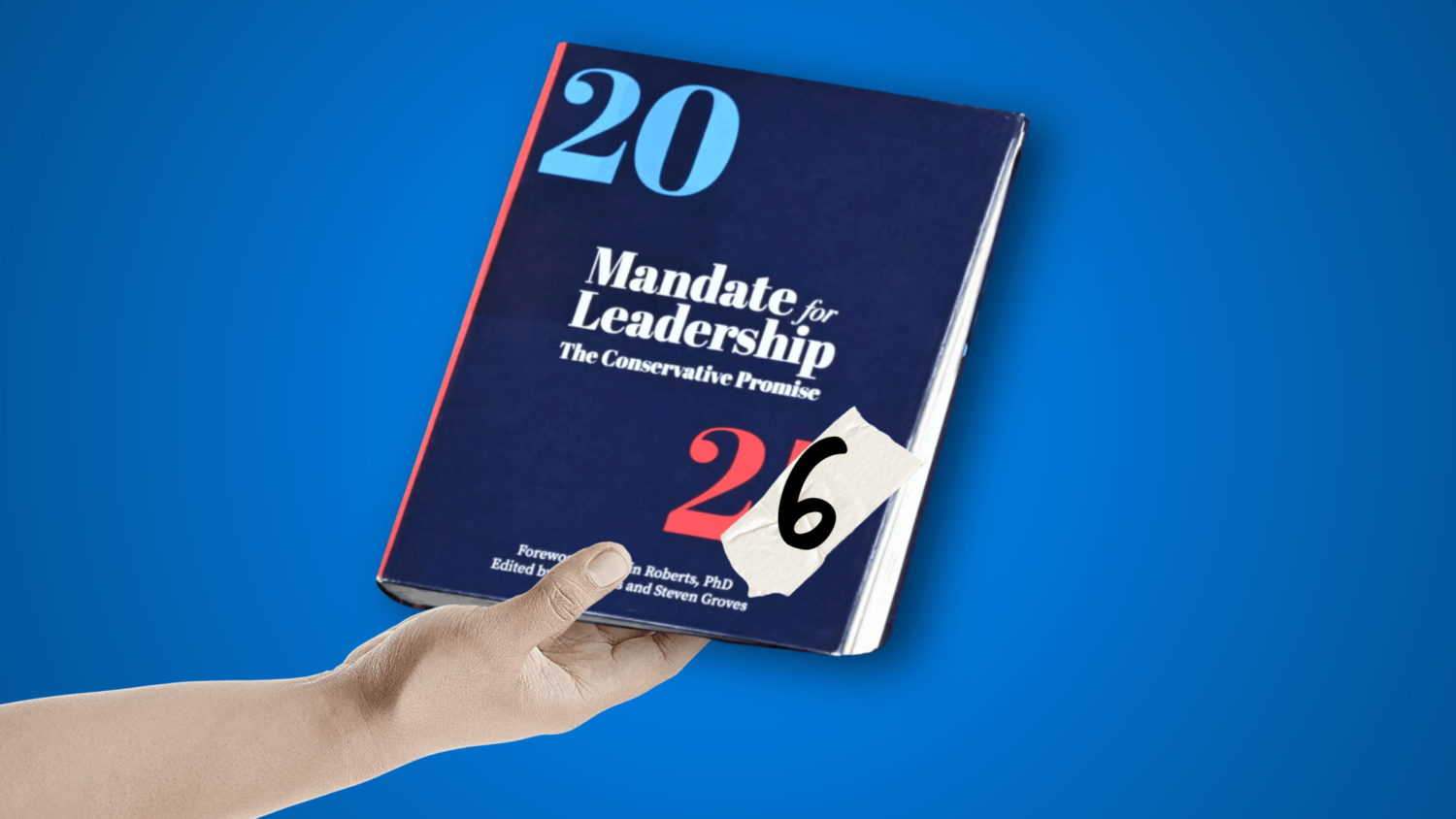
The Heritage Foundation’s newly released “Project 2026” makes this agenda explicit. Building on Project 2025, this roadmap calls for eliminating protections against sex discrimination in schools, banning abortion pills nationwide, and shrinking supports that enable women to participate in the workforce. When women can’t control when they have children, they can’t control their careers. Combined with the decimation of workplace protections, the intention is clear: push women out of the workforce and keep them out.
But this is not inevitable. Public polls show that Americans across the political spectrum reject this agenda. Candidates running on affordability and economic fairness, not culture war attacks, are winning races up and down the ballot. States are stepping into the void, codifying federal protections into law before they disappear entirely. And worker advocates and state attorneys general are defending civil rights in courtrooms across the country.
California is proof that state action works. After passing the nation’s strongest pay equity laws, many with business support, California’s gender wage gap dropped to 13%, significantly outperforming the national average of 18%. Twenty-five states have followed its lead to reduce pay discrimination. That amounts to millions more dollars in the pockets of women workers because lawmakers committed to taking decisive action.
The federal government may have abandoned enforcement, but we have not abandoned the fight. Discrimination can be named, fought, and defeated. That was the promise of the Civil Rights Act of 1964, and it’s a promise we intend to keep.
Noreen Farrell is the executive director of Equal Rights Advocates, which fights for gender justice in workplaces and schools across the country.