Trump’s DOJ Claimed 250,000 Noncitizen Voters — Its Own Probe Found About Two Dozen
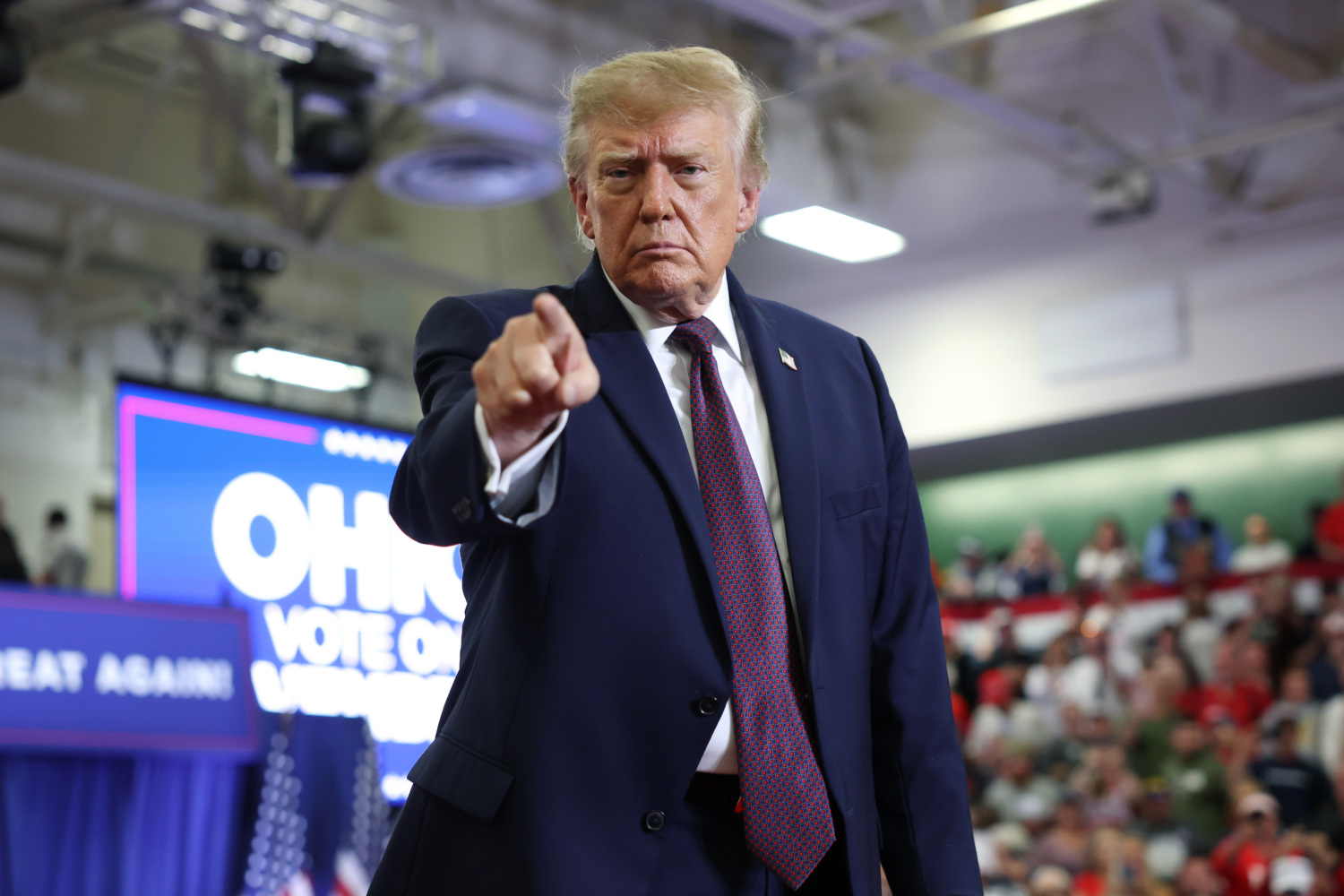
Photo by Kevin Dietsch/Getty Images
By Camaron Stevenson
Since day one of Donald Trump’s political career, people have desperately attempted to normalize his absurd abuses of power and blatant corruption – and 10 years later, much of corporate media remains a victim of their own attempts to return to a sense of normalcy.
It’s time to stop sane-washing the insanity.
What Happened
A widespread Department of Justice probe into noncitizen voters has, in effect, undermined the administration’s claims and disproven the notion altogether. Of the 250,000 suspects it identified, the list was culled down to only a handful of arrests, based on debunked evidence.
After failing to seize state voter rolls by way of executive order, the Trump administration this year issued over 100 subpoenas for voter data across 13 states under the guise of tracking down noncitizen voters. Department of Homeland Security Secretary Markwayne Mullin first made the unsubstantiated claim that 250,000 illegal voters were on the rolls in July, and followed up with letters to election officials in four states, each containing lists of alleged suspects.
“The Department of Homeland Security and our federal partners reviewed publicly available California voter-registration files and compared relevant records with federal immigration data to identify alien registrants,” Mullin said. “Even one noncitizen vote cancels out the ballot of an American citizen and undermines our elections.”
But DHS didn’t have official voter rolls from those states, and instead relied on outdated public data cross-referenced with voter profiles from private companies. When election officials in California, Nevada, New Jersey, and Pennsylvania checked the list of alleged noncitizens against their own voter registration records, they found that the Trump administration’s slapdash voter database was wholly inaccurate. Without definitive identifiers — such as Social Security numbers — DHS linked names and addresses to unrelated voter profiles, effectively conflating nonvoting legal residents with voting citizens simply because they shared the same names.
The administration ignored the states’ assessments, sued California to prevent 20,000 ballots from being counted, and conducted a raid that resulted in roughly two dozen arrests. The DOJ then began the same process in Washington state, demanding that election officials disqualify 400 ballots based on the same faulty data.
Similar raids in Washington and elsewhere before the midterms appear unlikely, however, as federal judges have already ruled against the DOJ’s actions in California, criticizing the agency’s public displays during an ongoing election as a brazen attempt to undermine its results.
“Never before in American history has the federal government, on the eve of an election, sought to coerce a state and local government to abandon their own Constitutional elections procedures and bend to the will of the Executive Branch,” US District Judge David Carter said in the ruling. “If the Executive can discount votes and threaten an ongoing election due to unproven allegations, then our democracy is in danger.”
Election officials have also pointed out that the DOJ’s attempt to disqualify ballots during an election is against federal law. The 90 days leading up to an election constitute what is known as a “quiet period,” during which attempts to remove or disenfranchise voters are in violation of the National Voter Registration Act of 1993.
Attempts to Sanewash
- Inside the Trump administration’s controversial lists of alleged noncitizen voters
- Trump expands hunt for noncitizen voters with broad subpoena campaign before midterms
- DOJ alleges non-citizen voting in Washington, Secretary of State denies claims
Far-Right Spin
- Biden-Appointed Judge Blocks Key Trump Noncitizen-Voter Operations Before Midterms
- Mexico-Born Biden Judge Restricts Trump’s Noncitizen Voting Investigation in Nine States
- Federal officials identify 400 noncitizens registered to vote in Washington state: ‘Tip of the iceberg’