Defend the Press: Brendan Carr Has Gone Too Far with Attacks on Media
By Brenda Victoria Castillo, President & CEO, National Hispanic Media Coalition, Marc H. Morial, President and CEO, National Urban League, Rev. Al Sharpton, Founder and President, National Action Network, Seth Stern, Director of Advocacy, Freedom of the Press Foundation Amy Hinojosa, President and CEO, MANA, A National Latina Organization; Thu Nguyen, Executive Director, OCA-Asian Pacific American Advocates; Chris Lewis, Public Knowledge, Toni Kirkpatrick, Chair, Latinx in Publishing, Nadxieli Nieto, Latinx in Publishing
In our democracy, freedom of the press is so fundamental that it is granted in the first amendment of the Constitution. Yet under Chairman Brendan Carr, the Federal Communications Commission (FCC), one of our nation’s most critical independent agencies, has veered dangerously into blurring the lines between regulation and retaliation, using the FCC to intimidate media companies rather than protecting free expression.
In recent months, Carr has threatened regulatory action against broadcasters and media companies whose reporting or satirical comedy have displeased President Donald Trump. He sent menacing letters to major networks like ABC and NBC, questioned the legitimacy of critical journalism, and not-so-subtly hinted that broadcasters’ licenses could be at risk. These are not the actions of a public servant safeguarding the First Amendment; they are the actions of a political enforcer actively trying to circumvent it to silence the American people.
That’s why our organizations, along with two dozen civil rights, civic, and media advocacy groups, have joined together to demand that the FCC and Chairman Carr reaffirm their commitment to the First Amendment and to the rule of law. We cannot stand by while one of the most powerful communications regulators in the world uses his position to chill speech and curry political favor with an administration hellbent on violating our rights.
This is bigger than politics. It’s about power, truth, and who has the power to manipulate the public’s access to accurate information.
Communities of color have long understood the cost when those in power attempt to stifle dissent. From the civil rights movement to today’s struggles for justice, it’s often our stories – Black, Latino, Asian American, Native, and immigrant – that are the first to be suppressed and the last to be heard. When government intimidation stifles the press, it silences us all.
The FCC’s mandate is clear: to serve the public interest and our communities, not political interests. But these protections of the public interest must be structural: for example, ensuring licensees are equipped to air emergency alerts, enforcing ownership caps, or restricting obscenity on public airways. The agency cannot use the “public interest” to censor viewpoints its leadership dislikes.
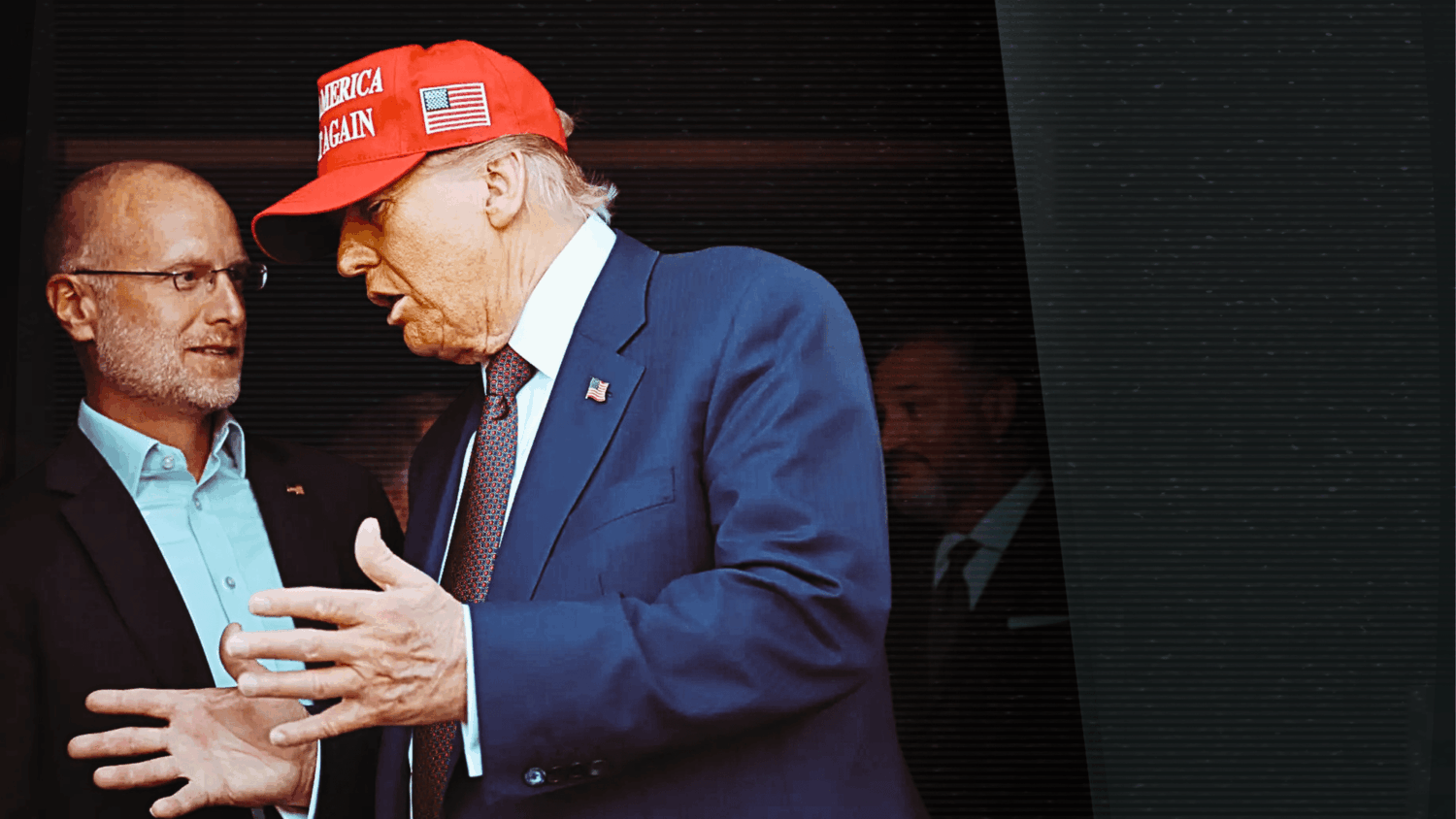
Chairman Carr knows better. Before he became Chairman, as a commissioner, he repeatedly warned that, under its statutory mandate and the Constitution, the agency cannot engage in censorship and viewpoint discrimination. But he has changed his tune now that the censored voices are ones Trump – whose face he wears as a lapel pin – dislikes. Carr’s oath was to protect the Constitution, including the First Amendment. When the Commission betrays that mission – led by its chairman – it endangers not only our democracy, but also the very communities it was meant to protect.
History offers a warning. Every time government power has been turned against the press – from the Nixon administration’s “enemies list” targeting journalists, to the McCarthy-era blacklists that ruined reporters’ careers – the result has been fewer facts, less accountability, and a weaker democracy. When President Nixon tried to block publication of the Pentagon Papers, it took a Supreme Court ruling to remind the nation that, even when the government claims national security is at stake, government secrecy cannot outweigh the public’s right to know.
Today, we rightfully fear losing that historical memory and moral compass amidst the Trump administration’s blatant attacks on the press, claiming authority to seize reporters’ phone records and threatening to revoke broadcast licenses over critical coverage of the truth. We must ring the alarm bell that democracy cannot survive under a policy of journalistic intimidation. When journalists are targeted, the public loses its eyes and ears. And when silence becomes the safe choice, it comes at the cost of truth.
Chairman Carr and the FCC still can stop this slide away from an independent press toward propaganda, and reaffirm the FCC’s independence. He can reject political pressure, denounce retaliation, and rebuild public trust in the agency he leads. But time is short. Every day he continues his reckless and destructive rhetoric, the chill spreads further across American newsrooms and the entire media landscape.
Free speech without a free press is an illusion. Civic leaders, donors, educators, and advocates must speak out now. Silence in moments like these only protects power and bullies, not people. The FCC should stand where every American leader must stand: firmly on the side of the Constitution, the rule of law, and a free and fearless press.
The authors are members of the Defend the Press campaign, an effort to fight back against government overreach and ensure the media remains independent and dedicated to serving the public interest.