Geeta Minocha: RFK Jr. is targeting a vital health panel. Here’s why that matters.
By Geeta Minocha
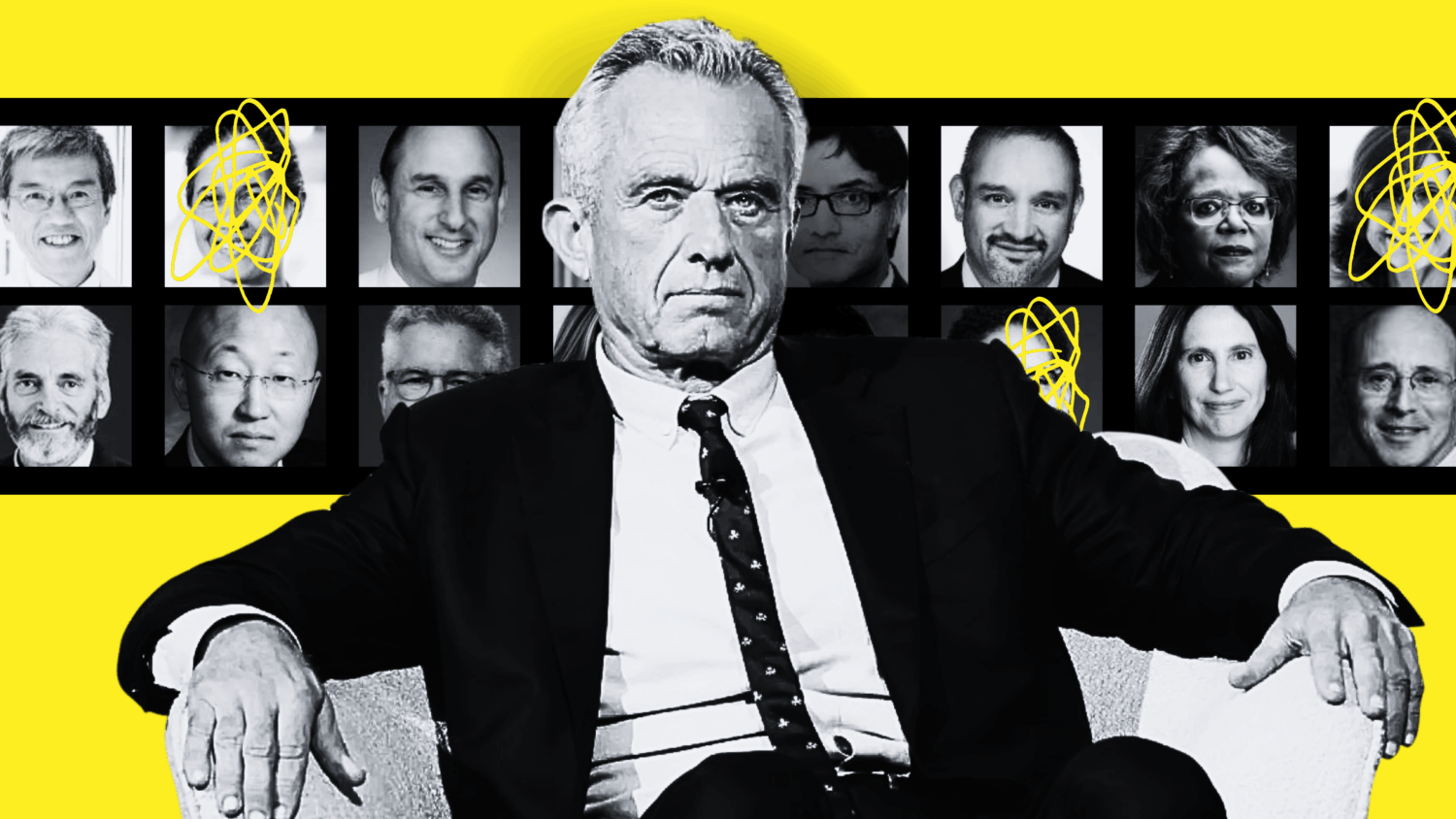
Rumors are swirling that Health and Human Services Secretary Robert F. Kennedy Jr. is thinking of removing all 16 members of the U.S. Preventive Services Task Force (USPSTF) for being too “woke.” If true, this deeply reckless move would send us further down a path where ideology overrides science, dismantle decades of public health progress, and erode what little trust remains in our health system.
The USPSTF is a nonpartisan panel of independent health experts, from physicians to epidemiologists to behavioral health researchers, tasked with reviewing evidence to determine which preventive services actually work. Their recommendations guide doctors and inform public health priorities. Under the Affordable Care Act, any service rated “A” or “B” by the Task Force must be covered by insurers at no cost to the patient. In other words, the Task Force doesn’t just provide advice; it actively helps Americans access critical care without going into debt.
Over the past few decades, the USPSTF has quietly helped deliver some of the country’s biggest public health wins. Its recommendations on colorectal and breast cancer screening have expanded access, encouraged early detection, and reduced deaths. Its guidance around screening adults for tobacco use and offering cessation support has contributed to long-term declines in smoking, the single most preventable cause of death in the U.S. The Task Force also played a pivotal role in shifting HIV testing from a high-risk-only practice to a routine part of primary care, leading to earlier diagnoses and lower transmission rates. These aren’t culture war issues. They’re science-backed, life-saving interventions.
“I relied on these guidelines on a daily basis while taking care of patients as an internal medicine resident,” says one cardiology fellow at Mount Sinai Fuster Heart Hospital in New York City. “Any changes that would undermine the integrity of USPSTF would make it much harder for primary care doctors to do their job and would harm an untold number of Americans.”
The financial impact of this work is equally important. Keeping the USPSTF independent is essential to reducing healthcare costs. One study estimates that every $1 spent on clinical preventive services saves around $5.60 in future medical costs. Since chronic diseases like cancer, diabetes, and heart disease account for nearly 90% of America’s $4.1 trillion in annual healthcare spending, preventive care—like the screenings and interventions USPSTF endorses—is one of the most effective tools we have for bending the cost curve. Undermining these recommendations would cause many patients to delay or avoid early care, leading to more severe illness, higher treatment costs, and greater strain on families and the healthcare system.
And yet, even this deeply practical, nonpartisan body is now under threat. Just last month, Secretary Kennedy abruptly fired all members of the Advisory Committee on Immunization Practices, a respected panel of vaccine experts, and replaced them with political allies and vaccine skeptics. The consequences are already visible: earlier this week, HHS canceled a $500 million contract for vaccine development that would have been used to combat respiratory viruses like the flu. The American Medical Association has already expressed “deep concern” over the possibility that the USPSTF might be next on the chopping block, urging the administration to keep current members and preserve the integrity of the Task Force’s work.
The timing couldn’t be worse. Since the COVID-19 pandemic, public trust in health agencies has been badly shaken. Confusing messaging, political interference, and rampant misinformation has left millions unsure of who or what to believe. Firing the USPSTF simply for perceived political misalignment would only deepen this crisis and send a dangerous message that science is expendable when it becomes inconvenient.
We’ve seen what happens when countries politicize their healthcare systems. In Brazil, political interference in public health agencies during the COVID-19 crisis delayed vaccinations, undermined expert advice, and contributed to one of the highest death tolls in the world. In contrast, countries like the UK and Canada maintain independent health advisory panels that issue evidence-based recommendations free from political pressure. The National Institute for Health and Care Excellence, for example, has been credited with helping the UK achieve some of the highest cancer survival rates in Europe while also saving billions by eliminating low-value care.
The U.S. Preventive Services Task Force exists to protect people’s health, not advance political agendas. Gutting it now would be a short-sighted and harmful blow to the health of millions. What we need most at this moment is clear, credible, independent guidance so that healthcare professionals can do their jobs.
Geeta Minocha is a lawyer, public finance expert, Stanford medical student, and founder of the Ohio Public Banking Coalition. Her writing and advocacy have influenced national policy debates in both finance and health care.