George Cassidy Payne: The Fragility of Fear
By George Cassidy Payne
Archbishop Desmond Tutu once warned, “If you are neutral in situations of injustice, you have chosen the side of the oppressor.” Neutrality, the uneasy silence born of fear and resignation, is the oxygen every autocrat breathes. Tyrants survive not merely through coercion, but by convincing us resistance is futile, solidarity is dangerous, and isolation is inevitable.
Today, that neutrality is endemic to upper-middle-class America, a buffer between the ruling elite and an increasingly disenfranchised working class. Comforted by growing portfolios, accumulating equity, and insulated social networks, many watch injustice unfold without action. Corporate culture, blending apathy and alienation, nurtures this quiet acquiescence. Comfort can be a weapon in the hands of tyranny.
The United States was never designed as a true democracy. The Founding Fathers sought a republic to protect property rights for a select few. Only white men with property could vote. Senators were chosen by state legislatures. The Electoral College was crafted to guard elite interests. Slavery, a system of brutal authoritarianism, was enshrined in the Constitution. Universal suffrage, labor protections, civil and voting rights were all wrenched into existence through generations of grassroots struggle. Democracy in the U.S. has always been provisional, contingent, and fought for..
This historical lens reframes contemporary authoritarianism. Tyrants fall, but some endure for decades: Putin, Erdoğan, Orbán, Kim, and wannabes like Netanyahu. Longevity thrives when fear is systemic, opposition fragmented, and token dissent tolerated. That makes organized resistance urgent and difficult.
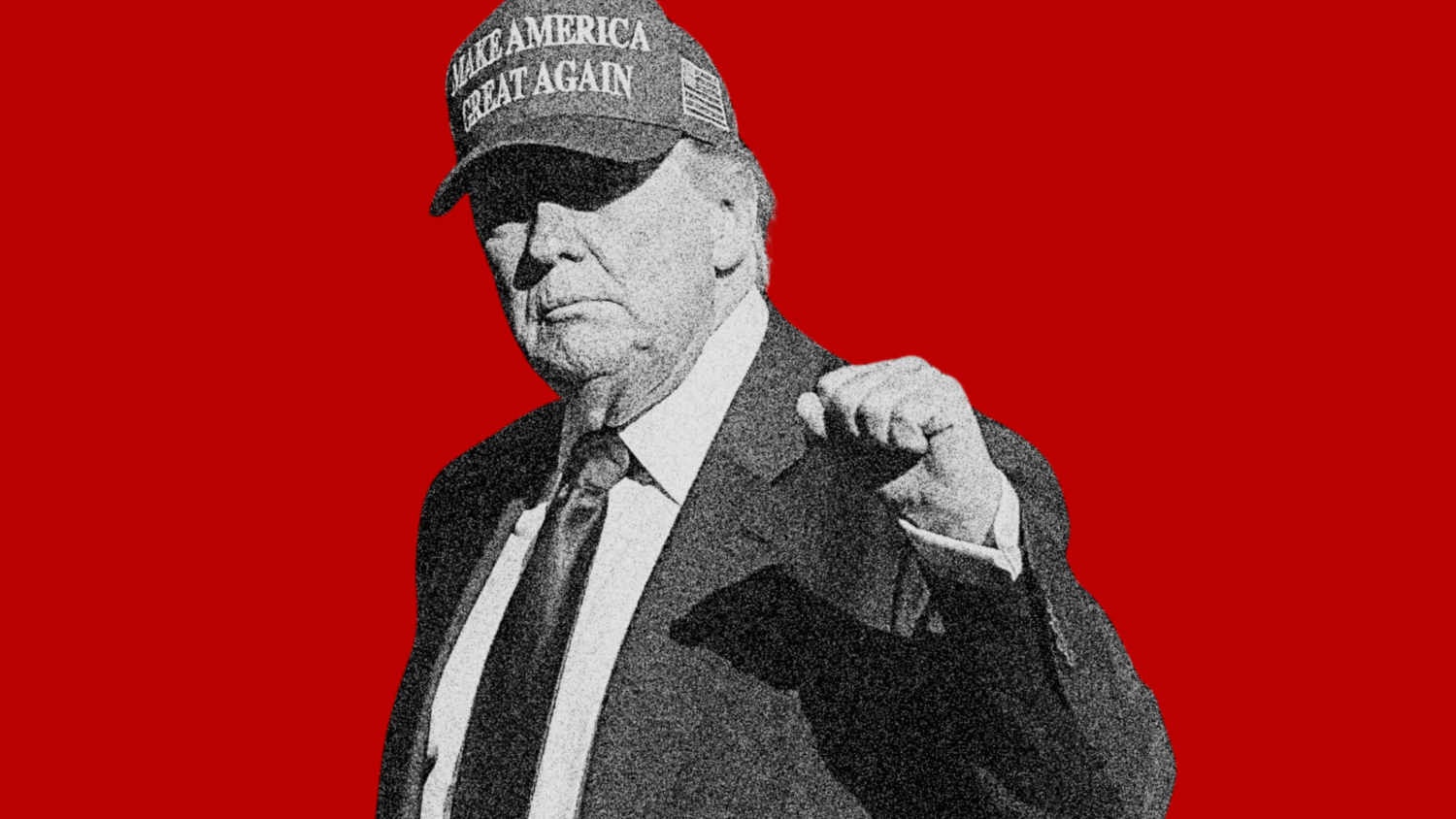
We see familiar patterns today, from Moscow to Budapest, Gaza to Washington, D.C. Trump’s invocation of the Home Rule Act to seize control of D.C.’s Metropolitan Police Department exemplifies the formula: manufacture fear, scapegoat the vulnerable, and consolidate power by stripping local autonomy. His rise is not an anomaly, but a flowering of a bipartisan political culture in which profit and power justify almost any transgression. Fearmongering and hollow appeals to “freedom and justice” maintain impunity.
The peril is tangible. Democracy’s appeal is slipping as nations across much of the world hold elections. A Pew survey found that nearly a third of Americans support authoritarian systems, with 26% favoring a “strong leader” who can bypass Congress or the courts. Autocrats benefit not only from weak institutions but from the tacit consent of a populace willing to trade liberty for expedience.
Yet tyranny’s dependence on fear is also its vulnerability. History—from the Berlin Wall to apartheid to the Arab Spring—shows that ordinary people refusing to live within the lie fracture the machinery of control. In Gaza’s underground schools, Moscow’s kitchens, Budapest’s cafés, and D.C. neighborhoods, networks of care and resistance are forming. Small acts of defiance are essential: the connective tissue of revolution, prelude to structural change.
Courts and elections alone cannot halt executive overreach. Real change demands mass, organized solidarity. Autocrats endure when societies tolerate concentrated authority; they fall when human connection and truth-telling corrode fear. Every whisper of dissent, every act of courage, chips away at authoritarianism.
The stakes could not be higher. With a significant portion of the population tolerating strong, unchecked leadership, the path forward is neither easy nor guaranteed. But history shows us that change emerges when ordinary people act collectively, forming networks of resistance and letting courage outweigh fear. Tyranny collapses when communities insist on truth and reach for each other despite fear.
Revolutionary times demand revolutionary action. Ordinary people, acting collectively and courageously, are the ultimate antidote to tyranny.
George Cassidy Payne is a freelance journalist, poet, and educator. He has taught philosophy and ethics at the college level and works as a 988 Suicide Prevention Counselor. His writing explores politics, culture, and social justice, focusing on power, fear, and community resilience.