Rabia Amin: Families are being torn apart, while Congress looks away
By Rabia Amin
As Congress negotiates funding to avoid a shutdown, lawmakers are once again debating immigration enforcement behind closed doors. While officials promise reform and accountability, families like mine continue to pay the price for unchecked detention and deportation policies.
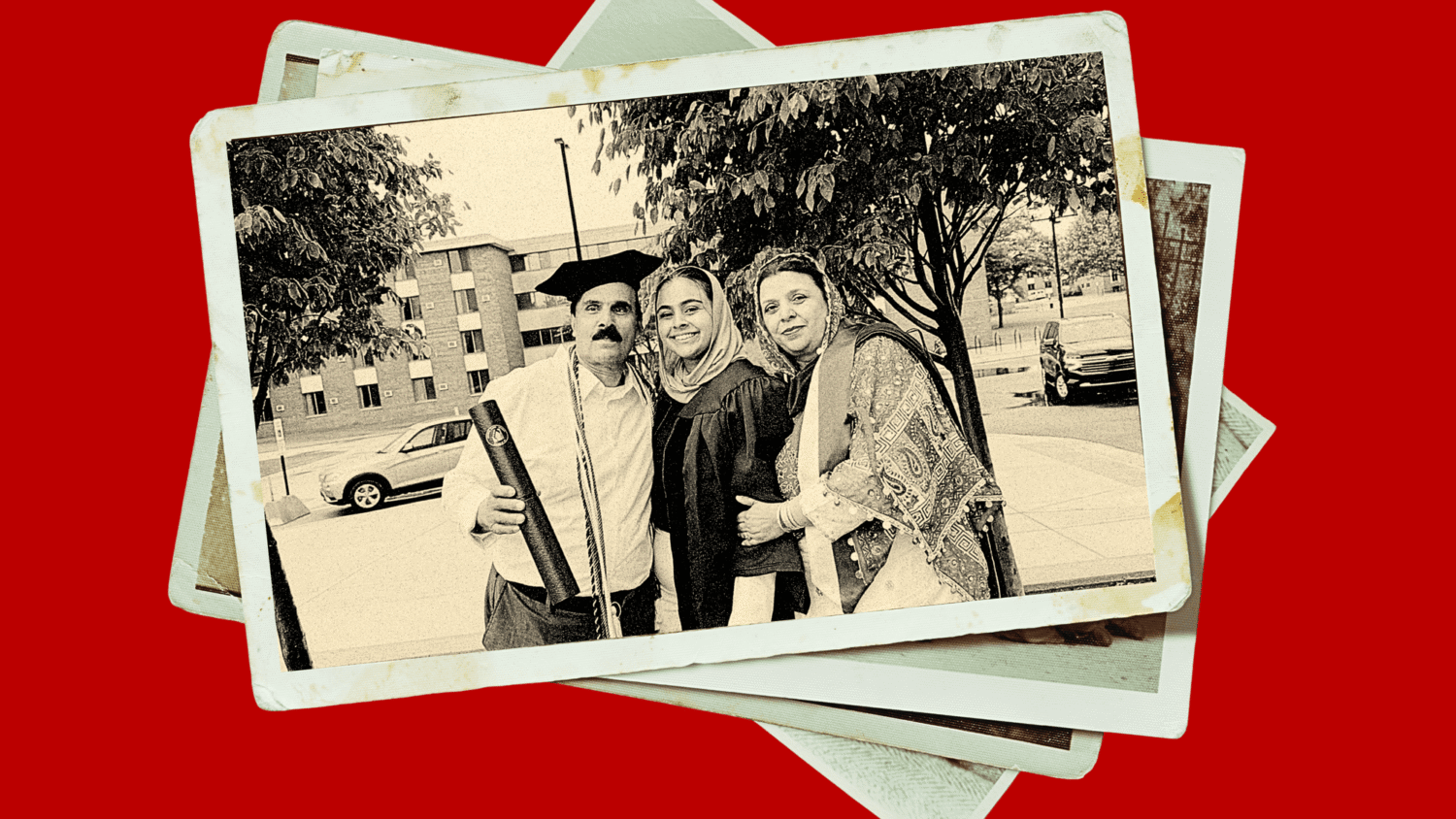
The morning my father was taken by Customs and Border Protection, there was no warning, no explanation, and no chance to say goodbye. One moment, our family was coordinating doctor’s appointments and work schedules. The next, we were scrambling to keep his small business running, support one another emotionally, and fight a federal immigration case while he was detained out of state. In the days that followed, questions went unanswered. Medical records were ignored. Transfers happened without notice.
Elected officials issued statements of concern and appeared at protests, but nothing changed. Public leaders insisted they stood with families like mine, yet when we asked for real intervention or accountability, we were met with silence. People are rightly outraged by the brutality they see in the streets, but what often goes unseen is the brutality inside the system itself. My father’s experience exposes that reality: a system that detains people with no criminal record, without transparency, transfers them without notice, and treats their lives as expendable once they are in custody. Family separation is not an accident of enforcement; it is the predictable result of policy choices that Congress has the power to change.
In our case, my father was transferred between multiple states without warning or explanation. Often, he learned of these moves only hours beforehand. He repeatedly asked for permission to call his family to tell us where he was being taken. Sometimes those requests were denied. We were left scrambling for information while critical legal and medical decisions were being made by DHS on his behalf.
These transfers matter. When people are moved in the middle of the night and without notice, they can effectively disappear into the system. Families have no way to locate them, attorneys struggle to intervene, and public scrutiny is avoided. Without scrutiny, there is no accountability.
The harm does not stop at separation. The Department of Homeland Security (DHS) has repeatedly failed to provide adequate medical care in immigration detention, even when serious conditions are well documented. During my father’s repeated transfers, his prescribed medications were disrupted. Eventually, he required emergency hospitalization. Neither DHS nor ICE notified our family. The hospital lacked access to his full medical history, delaying appropriate treatment. We did not know where he was, what condition he was in, or whether he would survive.
When detention disrupts medical care and results in emergency hospitalization without family notification, continued confinement is not enforcement; it is harm sanctioned by policy. We are currently hearing of a growing number of people dying and suffering from medical neglect in DHS detention. If families are kept in the dark, these deaths happen quietly.
Today, my father has been removed to Pakistan, a country he had not lived in for more than 30 years. Deportation is often framed as a bureaucratic outcome, but for families it means permanent rupture. It means elderly parents losing caregivers, businesses collapsing, and families forced to choose between separation or exile. This is not theoretical harm, it is a lived one. My American-born siblings now take turns visiting him in a country we barely know while we attempt to maintain a family across borders.
As a Juris Doctor, I know that DHS is not without options. Immigration law allows for alternatives to detention, including release on recognizance, supervision, and monitoring. These alternatives protect public safety while keeping families together. We made repeated requests. Each one was denied, often without a written explanation or individualized reasoning, despite no public safety concern. When lawful alternatives exist, and detention is chosen anyway, family separation is not inevitable, it is a decision.
Members of Congress have the authority to intervene on behalf of constituents facing detention and deportation. Oversight is not interference; it is their constitutional role. In our case, officials initially offered support, but when we asked for concrete action, formal inquiries, calls to DHS, or pressure on ICE, we were told they did not want to “overstep.” Silence in the face of harm is not neutrality, it is complicity.
Polling consistently shows that most Americans support alternatives to detention and stronger oversight of immigration enforcement, yet Congress continues to fund the Department of Homeland Security with minimal conditions. As Congress negotiates funding to avoid a shutdown, lawmakers must not relent on DHS funding without enforceable conditions, including the use of alternatives to detention, medical standards, and meaningful oversight. While officials promise reform and accountability, families like mine continue to pay the price for unchecked detention and deportation policies. This is not what America stands for. End Family Separation.
Rabia Amin is a Chicago-based lawyer whose father was detained by federal immigration authorities, bringing national attention to her family’s experience in custody. She works in criminal defense and family law and writes about the human cost of immigration enforcement.