Sarah Sicard: Now is the time for the military to choose between a constitution and a king
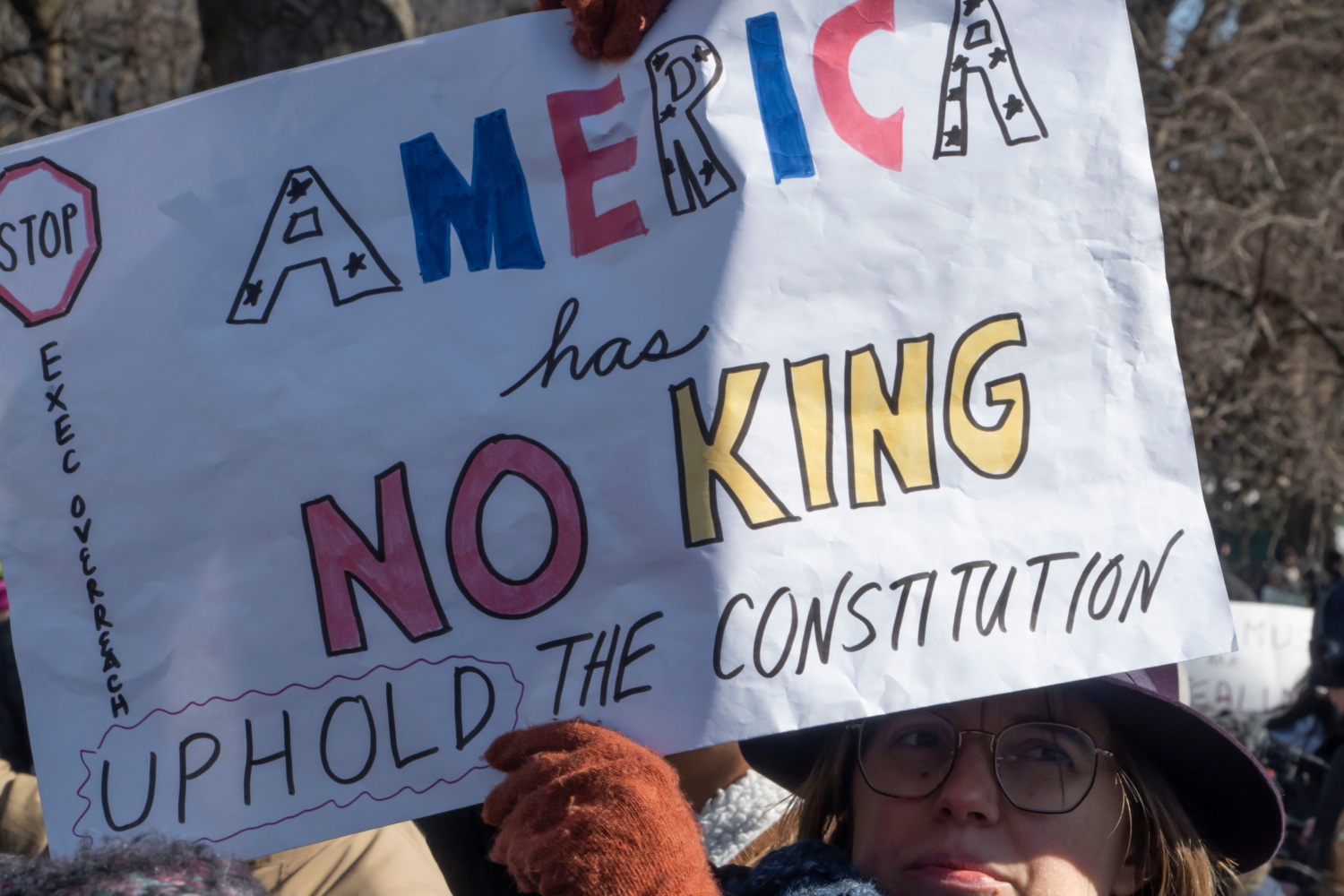
Photo by: John Senter/UCG/Universal Images Group
By Sarah Sicard
The US military’s oath of enlistment serves two primary purposes: ensuring troops’ unwavering loyalty to the Constitution and binding them to the armed forces’ commander-in-chief—the president.
Never before in American history have those two pillars been so at odds.
Have US presidents engaged in unpopular military actions? Certainly. Consider the Forever Wars in Afghanistan and Iraq or the decades of fraught conflict in Vietnam. But now, we are on the precipice of something else entirely thanks to a president who fancies himself a king and the troops’ oaths of office as unwavering fealty.
On Apr. 7, President Donald Trump posted an explicit threat of Iranian genocide to Truth Social.
A whole civilization will die tonight, never to be brought back again. I don’t want that to happen, but it probably will. However, now that we have Complete and Total Regime Change, where different, smarter, and less radicalized minds prevail, maybe something revolutionarily wonderful can happen, WHO KNOWS? We will find out tonight, one of the most important moments in the long and complex history of the World. 47 years of extortion, corruption, and death, will finally end. God Bless the Great People of Iran!
If this is the path he chooses, he “probably will” use the hammer of the US military to carry it out. And now, military leaders in the Pentagon down to the infantry troops at the front lines will need to decide if they will serve a king or the US Constitution.
That Constitution creates a system where no one, including the president, is above the law. Though the president is commander-in-chief, that authority is constrained.
The US military is built on a principle that feels almost quaint in today’s political climate: civilian control, bound by law. Troops don’t get to pick and choose their missions based on their morals. But they also aren’t automatons. The fabric of our military is woven by invisible threads, particularly the trust that lawful orders will remain lawful, and that the president executing them understands that.
Trump, however, is asking this trust—which goes all the way back to our nation’s first commander-in-chief, George Washington—to turn a blind eye. He is unraveling it. There is profound irony in the fact that our military was formed 250 years ago to fight a king who demanded exactly this kind of submission when we were his subjects rather than citizens with self-determination. Today, it is constitutional self-determination that we require from our military.
Modern troops are more educated, connected, and politically aware than at any point in US history. Yet, their core expectations remain unchanged since the Constitution was ratified in 1788. They are to execute lawful orders, refuse unlawful ones, and do so without turning the chain of command into a constitutional crisis.
While this president blurs the line between loyalty to the Constitution and loyalty to the commander-in-chief, one thing is clear: genocide is a war crime. It is murder. An order for “A whole civilization [to] die tonight, never to be brought back again” is, point blank, unlawful.
American troops are bound by the Geneva Conventions (1949), the War Crimes Act (18 U.S.C. § 2441), the Genocide Convention Implementation Act (18 U.S.C. § 1091), and the Uniform Code of Military Justice, all of which prohibit war crimes, genocide, and the unlawful targeting of civilians. Any order against these principles cannot and should not be carried out, regardless of who gives it.
Understanding these laws means recognizing that loyalty to the uniform is not about allegiance to an individual, but to the ideals and the guiding document that predate their service and are meant to survive long after any conflict ends.
The strength of the US military lies not in the number of its troops, the power of its tanks, the size of its bombs, or the depth of its unquestioning obedience. It comes from disciplined, lawful service within a framework designed to outlast any one moment, conflict, or leader—especially one who wants to preside over troops like a king.
Sarah Sicard is COURIER Newsroom’s deputy political editor for states. Prior to this role, she was an award-winning military journalist with a decade of experience covering military culture and conflicts in Gaza, Ukraine, and Afghanistan.