The South Was Never a Lost Cause. It Was Underfunded.
By Tara McGowan
The 2026 midterms delivered some truly historic victories for Democrats. Georgia elected Keisha Lance Bottoms as the first Black woman governor in American history, Texas flipped two of its biggest statewide offices, and races in states that national Democrats have written off for years suddenly became competitive.
But here’s what I can’t stop thinking about: How many more races could Democrats have won if they’d actually invested in the voters and organizers who made these victories possible?
That’s exactly what I wanted to dig into with my friend Esosa Osa, founder and CEO of Onyx Impact and former deputy executive director of Fair Fight Action, when she joined me on Gloves Off this week.
Esosa has spent years fighting voter suppression, combating disinformation, and building Black political power, particularly across the South. And while we had plenty to celebrate, she came with a warning that every Democratic strategist and donor should be paying attention to.
As Esosa put it, we shouldn’t confuse “Blacklash with loyalty.”
The early numbers from the midterms are remarkable. Roughly nine in ten Black voters backed Democratic House candidates, including a significant shift among Black men following Trump’s gains in 2024. And according to Tufts University’s CIRCLE, youth turnout was the second-highest for a midterm election in three decades.
But Esosa made a critical distinction: Black voters weren’t necessarily turning out for the Democratic Party. They were responding to rising costs, corruption, attacks on their rights, and an administration that has given them plenty of reasons to fight back.
Democrats would be making a massive mistake if they mistook record-breaking turnout for unconditional loyalty.
For decades, Democratic campaigns have spent enormous sums persuading swing voters while treating Black voters, especially Black women, as a reliable voting bloc that only needs attention in the final weeks before an election.
Esosa described how that strategy has created a generation of young Black voters who have never experienced anything other than a transactional relationship with the Democratic Party.
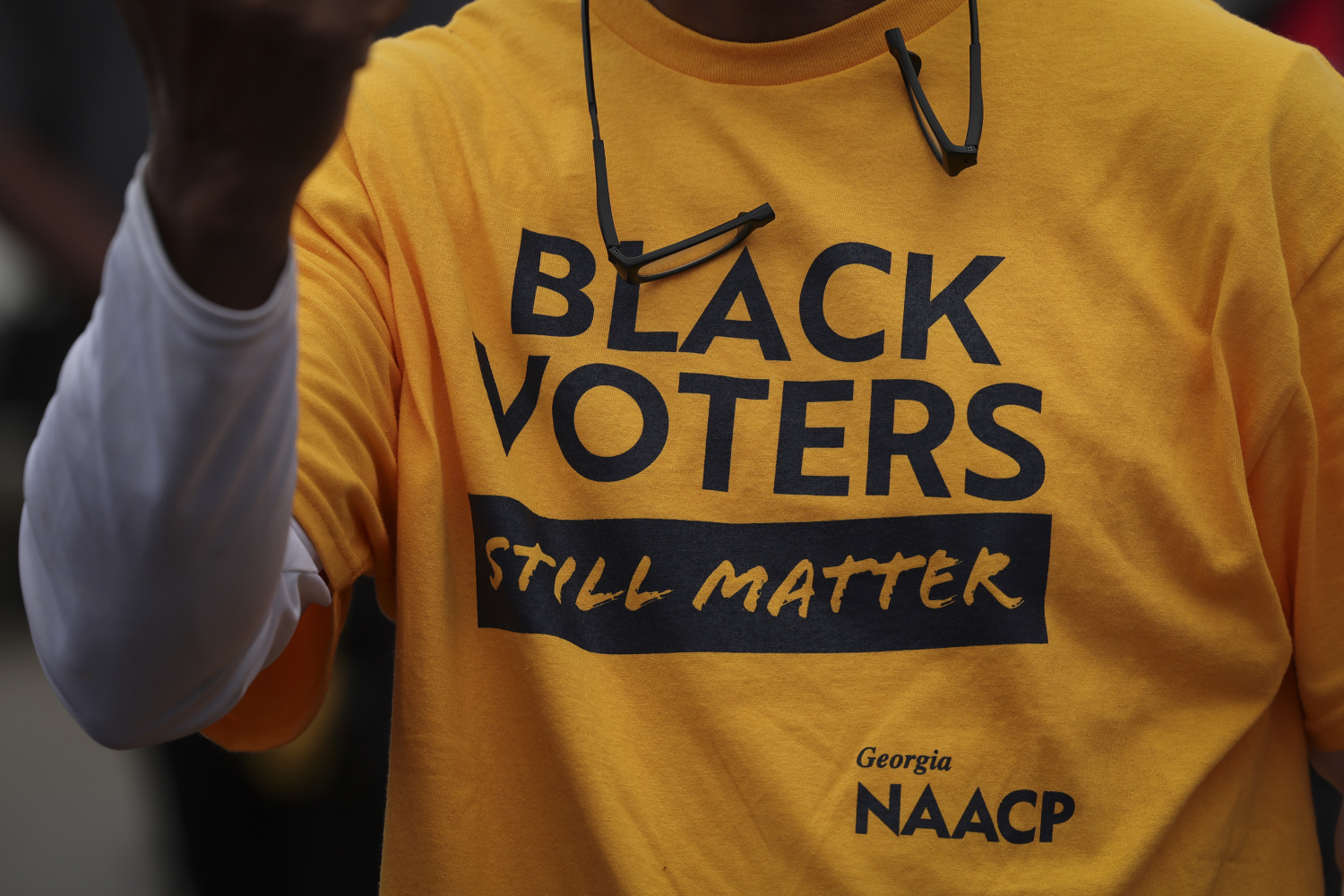
Meanwhile, the consequences of that neglect were on full display across the South this cycle. From Mississippi to Louisiana, Florida, and South Carolina, Democrats came remarkably close to winning races that received a fraction of the national attention and investment poured into traditional battlegrounds. In Mississippi, the NAACP’s massive voter outreach operation demonstrated what sustained organizing can accomplish in a state too many political insiders have dismissed.
And Georgia offers perhaps the clearest example of what happens when that investment actually lasts. Stacey Abrams spent years building political infrastructure in a state that national Democrats once considered unwinnable. Now, Georgia has elected its first Democratic governor in nearly three decades, and the first Black woman ever elected governor of a U.S. state.
That’s not a fluke. That’s what long-term investment looks like.
Esosa is putting that same philosophy into practice at Onyx Impact, building relationships with young Black voters through culturally relevant content and trusted Black creators. One of the voting videos we watched together, a hilarious clip from Abbott Elementary, generated more than 600,000 organic views on TikTok alone.
It’s a reminder of something that should be obvious by now: If you want to reach people, you have to show up where they actually spend their time. And you have to give them something worth paying attention to.
As Esosa told me, Onyx doesn’t build programs that shut down on Election Day. They’re building lasting community power.
That’s the lesson I hope Democrats take from this election. The South isn’t a lost cause. Black voters aren’t a box to check on a campaign strategy. And winning one election means very little if we fail to invest in the people who made it possible.
Watch my full conversation with Esosa above to hear what she thinks Democrats are still getting wrong, why she’s so hopeful about the next generation of Black leaders, and what it’ll take to turn this year’s historic victories into lasting political power.