Will the Midterms Lower Gas Prices? An Economist Explains What Congress Can (and Can’t) Fix
By Deola Adeosun
Prices are on the ballot this year. Gas, groceries, insurance, and rent are the issues voters say they feel most, and candidates in both parties have spent the final weeks of the campaign promising relief.
But how much can the next Congress actually do about what you pay? We asked Josh Bivens, chief economist at the Economic Policy Institute in Washington, D.C., to walk through the costs families are watching most closely.
His short answer: Congress has limited power to make prices fall, but right now, some of the biggest pressures are policy choices that lawmakers could reverse.
Gas and groceries
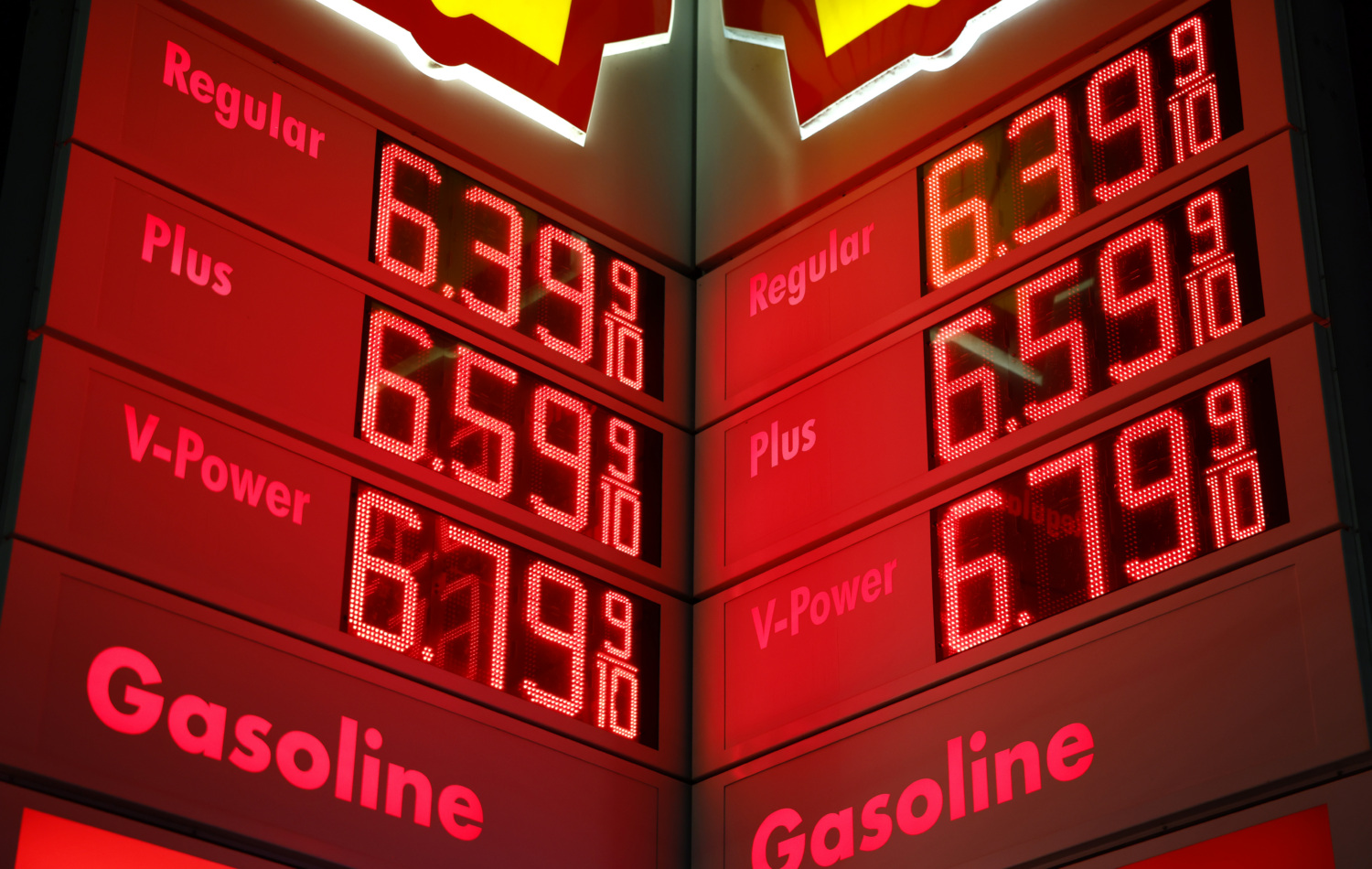
Gas averages $4.16 a gallon nationally, up $1.18 since the war with Iran began in February, according to AAA data reported by ABC News. Bivens said the war is the main reason.
“The main driver of high gas prices today is obviously the war in Iran,” he said. “If Congress could regain control of war powers and force the end to this conflict, gas prices would go down significantly.”
Groceries are feeling it too. Higher energy costs from the war are “infecting” food prices a little, Bivens said, and the Trump administration’s immigration crackdown is “almost certainly pushing up prices along some parts of the grocery supply chain,” particularly farms and meat processing plants, which depend heavily on immigrant labor. If Congress scaled back funding for that enforcement, he said, families could see some relief over time.
“Generally, Congress and the president have little scope to make prices go down,” Bivens said. “But in the current moment — especially with gas prices — the policy errors are so egregious that just stopping the destructive stuff would actually provide some relief.”
Other economists agree that relief would not be instant. Kara Reynolds of American University told ABC News that energy prices would take time to fall even if the war ended, because production capacity has been damaged.
Tariffs
The Budget Lab at Yale estimates current tariffs cost the typical household $1,077 a year. Bivens said most of that cost is likely already in the prices you pay.
“I’d bet the tariff effect has probably fully passed through to prices by now — assuming we don’t get another huge tariff increase based on the president’s whim,” he said.
That doesn’t mean Congress is powerless. Bivens said a new Congress could take back control of tariff policy and lower them, “or at least rationalize them to stop the arbitrary and chaotic nature of them from harming the economy through uncertainty.”
Health insurance
For many families, health care is the biggest bill on the horizon. Marketplace premiums jumped this year after the enhanced Affordable Care Act subsidies expired. Bivens said premiums have roughly doubled for many of the 20 million people who get subsidized coverage through the ACA exchanges. KFF (or the Kaiser Family Foundation) found that out-of-pocket premiums rose 58% on average in 2026, and insurers have proposed another median increase of 14% for 2027.
Bivens blamed the 2025 One Big Beautiful Bill Act and Congress’ failure to extend the more generous subsidies that were in place during the Biden administration. “Congress could stop that overnight,” he said, “if the president would sign on.”
Premiums are climbing for people with job-based coverage too. Bivens said that part is more complicated, driven partly by hospital and provider consolidation and by the cost of new drugs like Ozempic. Fixing it would be “ambitious,” he said, but Congress has options: letting more Americans buy into public plans like Medicare or Medicaid, adding a public option to the ACA marketplace, and then using the government’s buying power to push down health care prices.
He also pointed to the law’s Medicaid cuts. As hospitals lose money and expect to care for more uninsured patients, they may pass those costs on to everyone else. “Undoing those cuts could relieve pressure,” he said.
Rent and buying a home
If you rent or hope to buy, your state and local races matter a lot. Those officials control land-use rules and rent regulations, Bivens said. But Washington still shapes the biggest number in a home purchase: the interest rate.
“Mortgage rates are high today in large part because our deficits are too high given a still mostly healthy economy,” Bivens said. Higher rates raise monthly payments for homeowners, he added, and they also slow down home construction, “which affects prices and rents in the longer run.”
The national debt now tops $40.5 trillion, according to ABC News, and economists have warned that adding to it could push borrowing costs higher still.
The bottom line
No single vote will lower your grocery bill overnight, and economists across the board say lasting relief takes time. But several of the biggest costs families face right now, from gas to health insurance, are tied to decisions Congress can revisit.